Cowboy Watercolor Clipart Bundle: A Designer’s Practical Take
As an embroidery designer who regularly tests digital assets for real-world application, I approach any new design with a critical eye. The Cowboy Watercolor Clipart Bundle caught my attention not just because of its theme but due to the visual storytelling it offers. Let me walk you through how this bundle performed in my testing and what you should consider before using it in your own projects.
First Impressions: Mood and Visual Personality
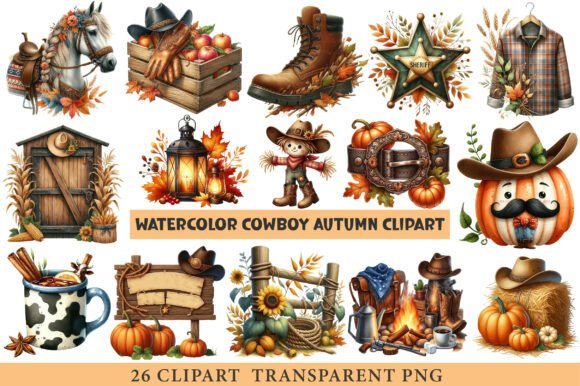
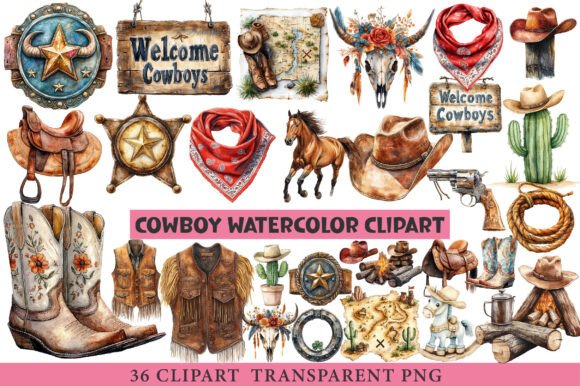
The first thing that stands out about the Cowboy Watercolor Clipart Bundle is its soft, artistic vibe. These are not bold or rigid designs; they have a hand-painted, whimsical feel that immediately suggests casual use over formal. The watercolor style brings warmth and charm, which makes them ideal for personalized gifts, boutique branding, or anything where a touch of Americana or western flair is desired.
Each of the 36 PNG files included in the bundle has been rendered at 300 dpi, which is great for print-based applications. However, as someone who works primarily with embroidery, I look beyond resolution — I assess how well these graphics translate into stitchable form. The details are delicate, often featuring brush strokes and gradients that can be tricky to convert into embroidery without losing their essence.
Real-Life Application: Tote Bag Embroidery Project
To evaluate the Cowboy Watercolor Clipart Bundle, I decided to create a custom embroidered tote bag for a local gift shop. The design I chose was a stylized silhouette of a cowboy hat with subtle watercolor washes on the brim. My goal was to see how the design would perform in both visual and technical terms when applied to a medium-weight cotton canvas fabric.
I began by tracing the main shapes and converting them into an appliqué format. The watercolor elements required some simplification since gradients don’t stitch well unless carefully planned. Using a combination of satin stitch outlines and minimal fill stitches helped maintain the softness of the original artwork while keeping the file manageable for the machine.
Once stitched, the result was pleasant but not perfect. The watercolor effect translated well in the outlines, but the internal details lacked the depth seen in the original PNGs. This is common with digital illustrations that aren’t specifically designed for embroidery — they need adaptation to suit the medium. Still, the final product had a nice handmade feel, and the customer loved the nostalgic western aesthetic.
Best Use Cases for This Design Set
The Cowboy Watercolor Clipart Bundle shines in several key areas:
- Custom Apparel: Sweatshirts and t-shirts with a relaxed fit work well, especially if the design is placed toward the center or back. The soft edges complement casual wear styles.
- Boutique Branding: If you're running a small shop or Etsy store, these designs can add character to aprons, patches, or pillow covers. They help establish a cohesive, artistic brand identity.
- Personalized Gifts: Think baby clothes, holiday cards, or nursery decor. The gentle, illustrative style adds a sense of care and craftsmanship that resonates with buyers looking for unique items.
- Digital Product Previews: For digital sellers, these PNGs can serve as high-quality mockups or printable assets. Their clean backgrounds and detailed outlines make them easy to place on various surfaces virtually.
Visual Appeal and Customer Reaction
In my test project, the design received positive feedback from customers. The watercolor aesthetic felt fresh and inviting compared to more traditional vector-style cowboy graphics. People were drawn to the soft textures and organic lines, which made the finished tote seem less mass-produced and more like a thoughtful, one-of-a-kind creation.
This kind of visual appeal is valuable for handmade product creators aiming to stand out in competitive markets. It also supports brand consistency if your overall aesthetic leans toward natural, artisanal, or vintage-inspired themes.
Where to Use with Caution
While the Cowboy Watercolor Clipart Bundle is versatile, there are certain scenarios where it might not deliver optimal results:
- Small Hoop Sizes: Many of the designs contain fine details that may become lost when scaled down. Always confirm hoop size requirements and scale accordingly.
- Textured or Stretchy Fabrics: The softness of the clipart doesn’t hold up well on uneven or stretchy materials. Stabilizer becomes essential here, and even then, the results can vary.
- Dark Backgrounds: The muted tones of the watercolor won’t show up as clearly on darker fabrics. Consider using white or light-colored thread for better contrast.
- Curved Surfaces: Hats and caps present a challenge due to the curvature. Unless the design is simple and symmetrical, you may need to adjust the layout or simplify the elements.
- Frequent-Wear Items: While the design looks great, the detail-heavy areas may fray faster on items like tea towels or baby clothes that get washed often. Opt for durable threads and reinforced stitching where necessary.
Embroidery Design Notes and Tips
Here are some practical insights I picked up during my trial with the Cowboy Watercolor Clipart Bundle:
- Test on Scrap Fabric First: Especially important if you’re using a new stabilizer or thread color. See how the watercolor elements behave under different tension settings.
- Review Stitch Density: High-density stitching isn’t always suitable for watercolor designs. You want to preserve the soft, flowing look, so opt for lighter fills and avoid over-stitching.
- Check Thread Color Contrast: Since the PNGs are grayscale or limited-color, you’ll need to choose thread colors that pop against your fabric. Try using black or navy for outlines on lighter bases.
- Inspect Small Details: Some elements in the clipart are quite intricate. Make sure they’re legible at the intended size and won’t disappear after stitching.
- Use Proper Stabilizer: To prevent puckering and distortion, especially on thin or stretchy materials, invest in good quality backing material.
- Confirm Licensing Before Selling: As the product description does not include specific licensing terms, double-check the seller’s policies before using it in commercial embroidery projects.
Design Impact on Your Finished Products
Using the Cowboy Watercolor Clipart Bundle in your embroidery project can elevate the perceived value of your handmade product. Its visual uniqueness helps differentiate your offerings in crowded markets like Etsy or craft fairs. The designs contribute to a professional finish that signals quality, even if they’re not overly complex.
However, because of their illustrative nature, these designs require thoughtful placement and stitching techniques. They work best when used as accents rather than dominant features. For instance, placing a smaller cowboy motif near the corner of a sweatshirt or tote can highlight the design without overwhelming the viewer.
Giftability and Market Potential
These designs are excellent for personalized gifts, particularly around holidays or special events like weddings. Their nostalgic charm fits well into themed gifts such as western-themed baby items or rustic home décor. That said, they may not be the best choice for corporate merchandise or high-traffic apparel unless simplified significantly.
If you’re an Etsy seller or part of a craft business, consider pairing these designs with other minimalist or botanical elements to enhance their visual impact. They also lend themselves well to printable mockups if you're selling digital design assets alongside physical products.
Final Thoughts for Creative Makers
The Cowboy Watercolor Clipart Bundle is a solid addition to any embroidery designer’s library, provided you understand its strengths and limitations. It’s not a one-size-fits-all solution, but when used appropriately, it can bring a warm, artistic touch to your custom apparel, holiday embroidery, or small shop product lines.
Remember to adapt the designs for your specific needs. Don’t expect them to stitch exactly as they appear in the PNG files. Instead, treat them as inspiration — something to guide your creative process rather than dictate it.
If you’re planning to incorporate these design assets into your workflow, take time to experiment with different placements, thread combinations, and fabric types. The payoff could be a standout finished product that captures the attention of your customers and reinforces your brand's personality.