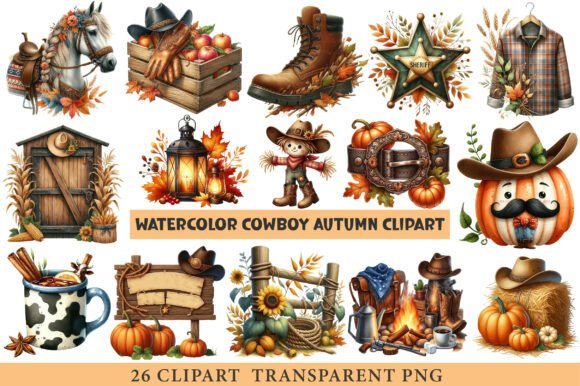
Watercolor Cowboy Autumn Clipart Review for Embroidery Projects
As an embroidery designer who's worked on countless custom apparel and handmade gift projects, I know how crucial it is to choose the right design elements before stitching. Recently, I tested Watercolor Cowboy Autumn Clipart for a few real-world applications—mainly a personalized sweatshirt and an embroidered tote bag—and found it to be a versatile but not universally perfect option. Here’s my honest take based on practical use.
A Soft, Seasonal Vibe That Works Well for Fall Themes
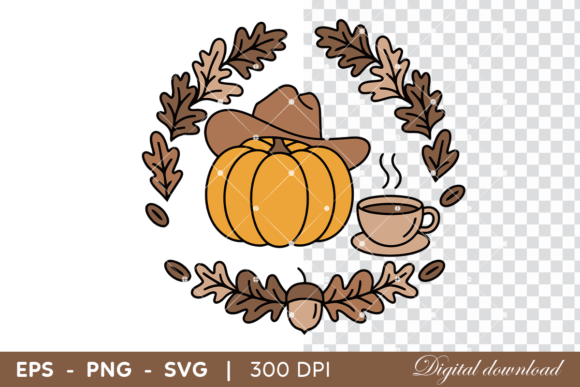
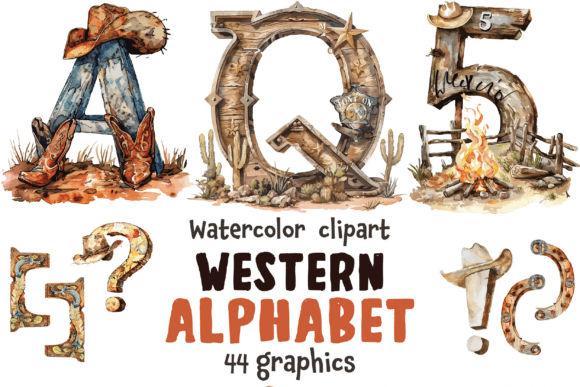
The first thing that struck me about Watercolor Cowboy Autumn Clipart was its mood. It carries a warm, nostalgic autumn feel with soft edges and gentle color transitions typical of watercolor art. The cowboy theme adds a touch of rustic charm, making it ideal for country-inspired or Western-themed designs. The layout is balanced, and while the details aren’t hyper-complex, they are expressive enough to stand out in a subtle way.
This kind of clipart feels more like a decorative accent than a bold statement piece. It’s suited for projects where you want to evoke a cozy, artistic atmosphere rather than dominate the space with intricate patterns. For example, when I used it as part of a layered sweatshirt embroidery, it complemented other text and icon elements without clashing.
Real-Life Use in Custom Apparel and Handmade Products
I applied one of the PNGs from the Watercolor Cowboy Autumn Clipart set onto a cotton-blend sweatshirt using a mix of satin stitch and fill stitch. The result was surprisingly soft and dimensional, which is a big plus for fall wear. However, I noticed that the design didn’t pop as much on a darker fabric background. This led me to experiment with different thread colors, and I recommend doing the same if you're working with dark materials.
For a tote bag project, the clipart worked well as a central graphic. Its size and shape made it easy to fit within a 7x5 inch hoop, and the visual personality added just the right amount of character to a casual, reusable bag. It also looked great as part of a larger composition with some seasonal text and leaves, showing how it can integrate into a broader autumn-themed embroidery project.
What It Adds to Your Finished Product
- Visual appeal: The soft textures and warm tones enhance the overall look of handmade products and give them a more premium feel.
- Stitching clarity: Since the clipart is clean and doesn't have overly fine lines, it stitches clearly even on medium-density settings. But it's not suitable for ultra-detailed corners or tiny lettering.
- Product value: When paired with high-quality fabrics and threads, this design elevates the perceived value of items like aprons, baby clothes, or holiday gifts.
- Customer trust: A polished, professional-looking embroidered patch or tote bag featuring this clipart can boost customer confidence in your craft business or Etsy shop.
- Brand consistency: If your brand leans towards artisanal, nature-inspired, or seasonal themes, this design can help maintain a cohesive visual identity across multiple product types.
- Giftability: The warm, whimsical style makes it especially appealing for holiday gifts, nursery decor, or personalized items given as tokens of appreciation.
Where to Use It Carefully
While Watercolor Cowboy Autumn Clipart is a solid addition to many embroidery projects, there are scenarios where caution is needed. Here are a few things to consider:
- Small hoop sizes: Some of the finer elements might get lost in smaller hoops. I suggest reserving these files for at least 6x4 inches unless you’re prepared to simplify the design.
- Textured or stretchy fabrics: The softness of the watercolor style doesn’t translate well on highly textured or stretchy materials. Test it on scrap fabric before committing.
- Dark backgrounds: As mentioned earlier, the muted colors don’t always stand out against darker tones. You may need to adjust thread choices or consider white underlay for better visibility.
- Curved surfaces: When trying it on a cap or curved surface, the alignment can be tricky. Make sure your machine supports precise placement or use manual adjustments carefully.
- Frequent washing: If you plan to use this on kitchen towels or baby clothes that see daily use, consider the durability of your thread and stabilizer. Watercolor-style embroidery can sometimes become less defined after repeated laundering.
Design Notes for Embroidery Creators
Before jumping into production with Watercolor Cowboy Autumn Clipart, here are a few best practices I’ve picked up over the years:
- Test on scrap fabric: Especially if you're planning to use it on something like a custom apparel item or a holiday gift, seeing it in person helps assess scale and detail.
- Check thread contrast: Lighter thread colors work best with the watercolor aesthetic. Darker threads can flatten the look or make it appear muddy.
- Review stitch density: Because of the softer outlines, you might need slightly denser stitch coverage to maintain definition, especially if using running stitch or sparse fill areas.
- Confirm hoop size: Though I used it successfully in a 7x5 hoop, some PNGs may require more space. Always double-check before purchasing for commercial embroidery purposes.
- Inspect small details: While the design is generally clear, some parts may lose their subtlety when stitched. Zoom in and test those areas specifically.
- Use proper stabilizer: To preserve the delicate look of the watercolor style, a tear-away or cut-away stabilizer is usually necessary, depending on the fabric.
- Consider licensing: If you're selling finished items or digital embroidery files, make sure the licensing terms allow for such use. Since this is a downloadable graphics package, clarify whether it’s royalty-free or requires attribution.
Perfect for Boutique Branding and Seasonal Merchandise
One of the strengths of Watercolor Cowboy Autumn Clipart is its ability to blend into a variety of product types while maintaining a unique visual voice. Whether you're designing for a boutique, creating small shop product line-ups, or offering digital embroidery file bundles on Etsy, this clipart has a natural place in seasonal collections.
I used it in a printable mockup for a client who sells hand-stitched home décor. The design felt right at home next to embroidered pumpkins and gourds, helping create a cohesive design assets library for fall promotions. It’s also been effective as a standalone embroidered patch for customers looking to personalize denim jackets or leather bags.
How It Engages Buyers and Builds Recognition
In the world of handmade products and craft business branding, visual consistency is key. Using Watercolor Cowboy Autumn Clipart across multiple product types—like pillow covers and tea towels—can help reinforce your brand’s seasonal identity. Customers begin to recognize the style, which builds familiarity and trust.
It also enhances buyer engagement. In one case, I used the clipart in a personalized gift listing on Etsy. The combination of a watercolor cowboy and autumn motifs caught attention faster than traditional vector-based designs. People appreciated the uniqueness and the handcrafted feel it brought to the preview images.
Final Thoughts for Embroidery Designers and Makers
Watercolor Cowboy Autumn Clipart isn’t a one-size-fits-all solution, but it’s a strong contender for certain kinds of embroidery projects. It works beautifully for handmade product lines that lean into seasonal aesthetics, personalization, or a more relaxed, artistic vibe. Just be mindful of the technical aspects—hoop size, fabric type, and thread choice—to ensure the final outcome meets your expectations.
If you're an embroidery designer, Etsy seller, or someone managing a small shop product collection, this clipart could add a nice touch to your fall offerings. However, if your project involves frequent washes, tight spaces, or complex layering, you might need to tweak the design or pair it with simpler elements.
Ultimately, the Watercolor Cowboy Autumn Clipart is a great tool in your creative arsenal. Just like any design asset, its success depends on thoughtful application and understanding of how it behaves in real-life embroidery project scenarios. Take the time to test it out, and you’ll find where it shines brightest.