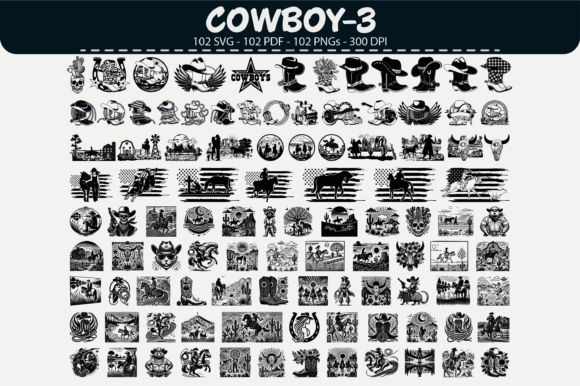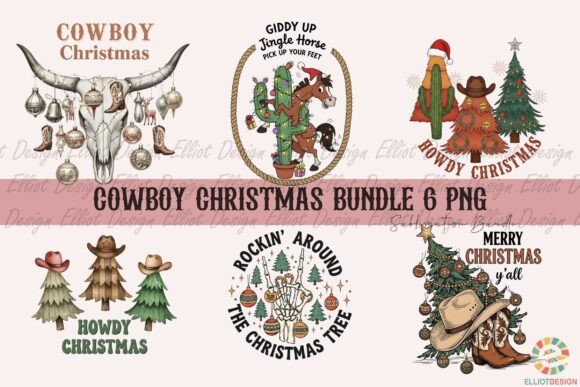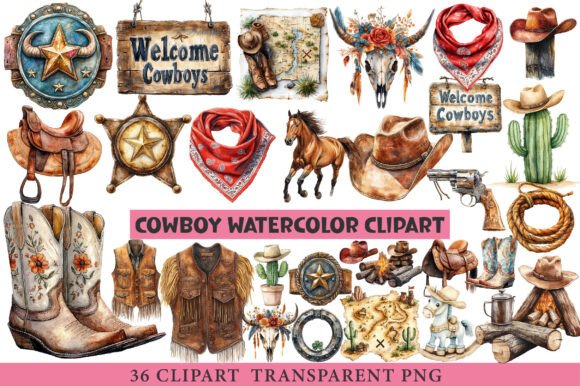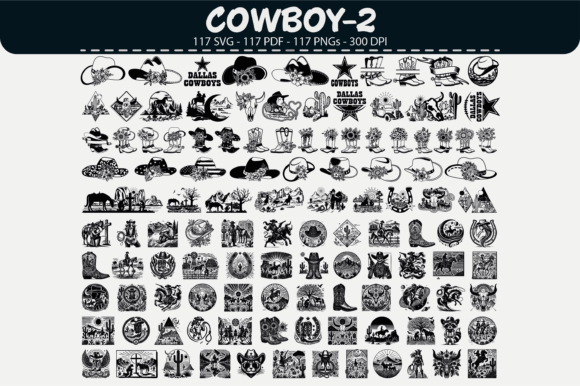
Cowboy Vector Bundle – 117 Designs
As a designer who spends half her life troubleshooting tension issues and the other half trying to make handmade goods look expensive, I don’t buy embroidery files on impulse. I evaluate them. When Cowboy Vector Bundle – 117 Designs landed in my inbox, my first thought wasn’t about the aesthetic—it was about utility. Would this hold up in a real-world commercial setting? Could it survive the wash cycle of a customer’s life while maintaining its visual integrity? After putting these files through their paces in various testing scenarios, from simple tote bags to more complex apparel projects, here is my honest breakdown of what this bundle actually offers for your craft business or personal stash.
The First Impression: Mood and Market Fit
There is a specific energy that western-themed graphics bring to a room. It’s rugged but approachable, nostalgic yet modern. The immediate vibe of this collection is one of authentic Americana. For an embroidery project, this translates into designs that feel grounded. They aren’t overly delicate or fragile; they have a presence. This makes them exceptionally strong candidates for custom apparel and durable goods.
Visually, the shapes are bold. In the world of machine embroidery, bold is good. It means cleaner stitches, less risk of thread breakage, and a final product that reads clearly from across a room. Whether you are creating holiday embroidery items or year-round boutique branding, these designs offer a visual personality that stands out without shouting. They fit naturally into the current trend of rustic-chic and heritage-inspired decor, making them highly relevant for today’s Etsy seller or small shop owner looking for products with emotional resonance.
Real-World Application: Where These Designs Shine
I tested several concepts from the Cowboy Vector Bundle – 117 Designs library on different substrates to see how they translated from digital vector to physical stitch. The results were telling.
- Tote Bags and Canvas Goods: This is arguably the strongest use case. The sturdy nature of canvas handles the density of western motifs beautifully. A cowboy hat or boot motif stitched onto a natural canvas tote creates an instant handmade product that feels substantial. Customers love items that feel like they will last, and these designs support that promise.
- Sweatshirt Embroidery: For cooler months, thick cotton blends are perfect for these themes. The contrast between the soft fabric and the structured satin stitch lines of the design creates a premium tactile experience. It elevates a basic sweatshirt into a statement piece, ideal for personalized gift markets during the holidays.
- Embroidered Patches: Because many of the vector elements are self-contained, they translate well into patch designs. These can be applied to denim jackets, backpacks, or caps, adding a layer of customization that drives engagement for commercial embroidery businesses.
- Kitchen and Home Decor: Tea towels and aprons are low-risk, high-reward items. A subtle western accent on a kitchen towel adds character to a home. These items are often purchased as gifts, and the theme lends itself well to housewarmings or weddings in rustic venues.
Technical Considerations and Stitch Behavior
While the aesthetics are strong, a professional designer knows that execution is everything. Here is how these files behave under the needle.
The stitch density appears balanced for most standard home machines. However, because these are vector-based design assets, you must pay attention to how your software interprets the paths. Dense fill areas need to be checked for proper underlay stitches to prevent puckering, especially on thinner fabrics. If you are using these for apparel decorators working with lightweight tees, I recommend testing on scrap material first to ensure the fabric doesn’t distort.
Another critical factor is the hoop size. Some of the larger compositions in the bundle may require multi-hoop setups. While this increases production time, it allows for much larger, more impactful designs. Smaller, intricate details within the vectors might get lost if scaled down too far. Always inspect the small details—like facial features on animal motifs or texture in hats—to ensure they remain distinct after stitching. If a detail becomes a blob of thread, the design loses its professionalism.
Where Caution Is Required
Not every substrate is created equal. There are specific situations where you should proceed with caution when using Cowboy Vector Bundle – 117 Designs:
- Stretchy Fabrics: Avoid placing large, dense western motifs on highly stretchy jersey knits unless you use heavy-duty stabilizer. The tension can cause warping.
- Curved Surfaces: While caps are popular, applying flat vector designs to curved brims requires precise digitizing adjustments. If the original file isn’t optimized for curvature, it may look distorted.
- Dark Fabrics: Contrast is key. On dark backgrounds, you will need to adjust your thread colors significantly. Lighter threads may not pop enough, requiring multiple passes or specific satin stitch techniques to achieve visibility.
- Small Hoop Sizes: Do not attempt to cram complex compositions into tiny hoops. The loss of detail will hurt the perceived value of the item.
Impact on Brand and Customer Trust
In the craft business, perception is reality. A well-executed embroidered item signals quality. When a customer receives a finished product that has clean edges, consistent tension, and a clear image, their trust in your brand increases. Conversely, sloppy stitching on a busy design can make even a great idea look cheap.
This bundle supports brand consistency by offering a cohesive style. If you are building a shop around western or rustic themes, having access to 117 variations allows you to create a unified catalog. You can mix and match elements to create unique printable mockups for your listings without the designs feeling repetitive. This variety helps with buyer engagement, giving customers options that feel personalized rather than mass-produced.
Practical Designer Notes for Success
To get the most out of these files, follow these practical steps before committing to production runs:
- Test on Scrap Fabric: Never run a new design directly onto a customer’s garment. Test on the exact fabric type you plan to use to check for colorfastness and stability.
- Check Thread Color Contrast: Use black and white mockups to ensure the design has enough contrast. If it looks muddy in grayscale, it will likely look muddy in color.
- Review Licensing: Before selling any small shop product made from these files, confirm the licensing terms. Ensure you are allowed to sell finished goods commercially. This protects your creative entrepreneur business from legal issues.
- Use Proper Stabilizer: The right stabilizer can make or break a project. For woven fabrics, cut-away stabilizer is usually best for durability. For knits, tear-away may suffice for lighter designs.
- Inspect Small Details: Zoom in on the vector files. Are there tiny elements that might not stitch well? Simplify if necessary. Sometimes less is more in embroidery.
Final Verdict
Cowboy Vector Bundle – 117 Designs is a robust collection that offers significant value for designers looking to tap into the western market. It is not just a pile of clip art; it is a functional set of digital embroidery files that, when executed correctly, produce high-quality handmade products. The mood is right, the market demand exists, and the versatility is high. Just remember: the file is only half the battle. Your skill in preparation, stabilization, and finishing will determine whether these designs become best-sellers or dust collectors. Treat them with professional care, and they will serve your graphics library well for years to come.