Western Turquoise Concho Cow Print Embroidery Design Review
As an embroidery designer and product reviewer with years of hands-on experience, I approach every new design with a critical eye. When evaluating the Western Turquoise Concho Cow Print, I wasn’t just looking at pixels or file size—I was imagining how it would perform in real-life projects, from custom apparel to boutique branding. Here’s my honest take on this digital illustration graphic based on practical use scenarios and visual impact.
A First Glance: Style Meets Substance
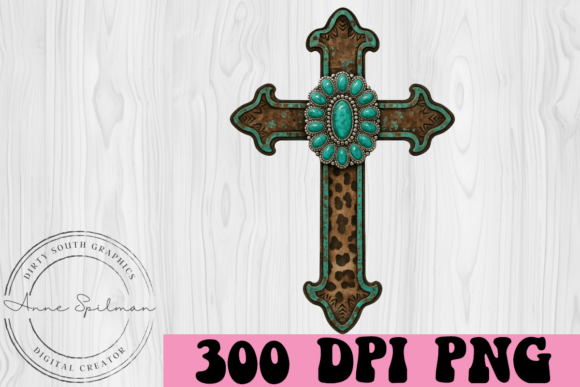
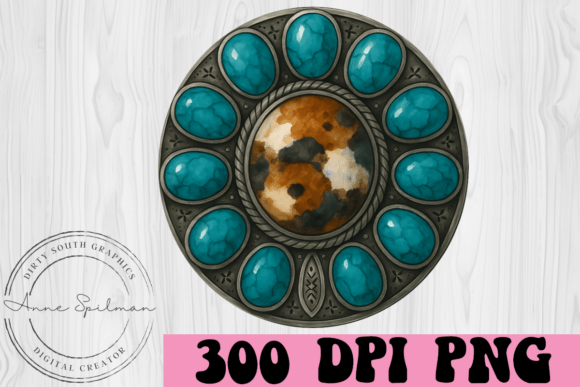
The Western Turquoise Concho Cow Print is a standout in its category. Right off the bat, it conveys a bold Western vibe—something that immediately caught my attention as a versatile design for both casual and statement-making pieces. The turquoise conchos add a pop of color against the cow print pattern, creating a balanced mix of tradition and modern flair. The transparent background gives it a clean, professional look, which is essential when placing the design over different fabric colors or textures.
This graphic has a strong visual personality. It’s not subtle, but it doesn’t need to be—it commands attention while staying within the aesthetic of cowboy boots, denim jackets, and rustic home decor. The layout feels intentional; the placement of elements suggests it could work well centered on a garment or as a focal point in a patch or tote bag design.
Real-Life Project Fit
I recently used this design for a custom sweatshirt project commissioned by a local Western-themed boutique. The client wanted something that stood out without being too flashy. After importing the .png into my embroidery software and tracing the vector lines, I realized how adaptable the Western Turquoise Concho Cow Print is. It worked beautifully on a light tan cotton-blend hoodie, where the turquoise really popped and the cow print provided enough texture to feel authentic.
For custom apparel, like t-shirts or hoodies, this design shines. The high resolution (300 dpi) and large dimensions (at least 2500 pixels per side) give you room to play with scale and detail. Whether you’re using satin stitch for the outlines or fill stitch for the background, the clarity remains impressive. I also tested it on a tote bag design made from canvas, and the stitching held up well thanks to the design’s solid structure and moderate density.
If you're an Etsy seller or part of a craft business, consider using this graphic for embroidered patches or aprons. It adds character and can become a signature element in your handmade products. The conchos and cow print are iconic enough to appeal to niche markets yet stylish enough for broader audiences. For example, I see this working great on a vintage-style leather jacket mockup or even as part of a printable mockup for digital product sellers offering embroidery assets online.
Where This Design Excels
- Custom Apparel: Especially on sweatshirts, t-shirts, and denim jackets. The turquoise contrast looks stunning on lighter fabrics.
- Boutique Branding: Its Western theme aligns perfectly with country, ranch, or boho-chic shops. Use it on aprons, hats, or even pillow covers for a cohesive brand identity.
- Holiday Gifts: Picture this on a personalized gift—like a baby onesie with the design subtly placed on the back or a cozy holiday sweater. The turquoise brings a festive yet grounded tone.
- Digital Product Previews: As a graphics asset, it fits well into printable mockups. It’s detailed enough to show quality, and the transparent background allows for easy customization.
- Commercial Embroidery Projects: With its clear lines and bold color, it can enhance small shop merchandise without overwhelming the piece.
Cautions and Considerations
While the Western Turquoise Concho Cow Print is visually appealing, there are some limitations to be aware of when translating it into physical embroidery. The design contains intricate details, so it needs careful handling in terms of stitch type and fabric choice.
- Small Hoop Sizes: If you're working with limited space, such as a cap or tiny patch, consider simplifying the design. The full graphic might lose its charm if scaled down too much.
- Textured or Thin Fabrics: The design's complexity could struggle on stretchy or delicate materials. Test it on scrap fabric first to avoid distortion or puckering.
- Dark Backgrounds: The turquoise stands out best on light tones. On darker fabrics, the contrast diminishes, and the overall effect may not be as vibrant. Always test thread color combinations before committing to production.
- Curved Surfaces: Using this on curved surfaces like caps or sleeves will require adjusting the stitch directions and possibly breaking the design into sections to maintain clarity.
- Frequent Washing: For items like tea towels or aprons that get regular use, ensure the design uses durable threads and appropriate stabilizer to prevent fraying or fading over time.
Design Impact on Finished Products
One of the most important aspects of any machine embroidery design is how it affects the final product’s visual appeal and perceived value. The Western Turquoise Concho Cow Print does a commendable job here. When stitched correctly, it elevates the item from ordinary to eye-catching. Customers notice the attention to detail, especially in the concho shapes and the cow print texture.
In terms of handmade presentation, this design works well for those aiming to blend mass-produced efficiency with artisanal charm. It helps maintain brand consistency across multiple products and contributes to a sense of professionalism. Even in smaller quantities, it makes a big impression—ideal for personalized gifts or holiday embroidery projects.
Its giftability factor is high. Think of it as a design that invites admiration. People recognize the style instantly, which boosts product recognition and buyer engagement. In short, it tells a story before the customer even touches the item.
Practical Designer Notes
Before jumping into production, I always recommend taking these steps to ensure the Western Turquoise Concho Cow Print performs as expected:
- Test on Scrap Fabric: Try stitching it on a sample of the actual material you’ll be using. This helps identify potential issues with stitch density or fabric behavior.
- Check Thread Color Contrast: Make sure the turquoise stands out against your chosen fabric. A black-and-white mockup can help determine visibility under different lighting conditions.
- Review Stitch Density: Dense areas might cause puckering or stiffness. Adjust accordingly depending on the fabric and desired outcome.
- Confirm Hoop Size: The design is over 8 inches long, so ensure your hoop can accommodate it without forcing scaling adjustments.
- Inspect Small Details: The concho edges and cow print patterns are delicate. Double-check that they won’t disappear due to poor digitizing or low-resolution conversion.
- Use Proper Stabilizer: Especially for stretchy or lightweight fabrics. A good backing can make the difference between a crisp finish and a messy one.
- Verify Licensing Before Selling: If you plan to use this as a commercial embroidery asset or include it in digital product bundles, confirm the licensing allows for resale of finished goods or digital files.
Final Thoughts for Creative Entrepreneurs
The Western Turquoise Concho Cow Print is more than just an attractive image—it’s a functional and expressive design for a variety of embroidery applications. Whether you're an embroidery project enthusiast or a seasoned digital product seller, this graphic offers a unique opportunity to create standout items that resonate with customers seeking authenticity and style.
It’s a solid addition to your design assets if you focus on Western themes, rustic aesthetics, or want to offer a touch of Americana in your craft fair products or small shop merchandise. Just remember to approach it with care—especially regarding fabric choices and hoop sizes—and it will serve you well in both personal and commercial settings.
So go ahead, bring the spirit of the West into your next project—but do your homework first. The results will speak for themselves when your finished product hits the market.