And They Call It Rodeo SVG Review: A Western Embroidery Design for Real Projects
As an embroidery designer and product reviewer with years of experience in the craft, I always look for designs that not only spark creativity but also stand up to the practical demands of real-world stitching. Recently, I had the chance to test And They Call It Rodeo SVG, a design that promises a touch of Western charm across a variety of projects. Let’s dive into what it actually delivers when put through its paces.
First Impressions and Visual Personality
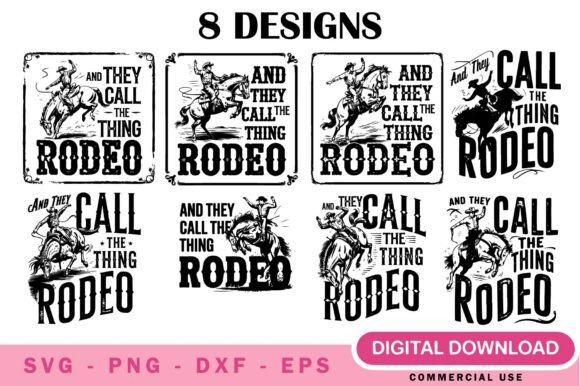
The moment I unzipped the digital file for And They Call It Rodeo SVG, I knew this was going to be a fun one. The design has a bold, illustrative style that captures the essence of rodeo culture — think bucking horses, spurs, and maybe even a hint of a lasso or two. Its layout is well-balanced, with a central focal point that makes it easy to position on fabric. The level of detail feels intentional rather than overdone, which is a relief after working with some overly intricate files that end up being a nightmare in stitch form.
Visually, it brings a sense of playfulness and nostalgia, perfect for someone who wants their handmade product to scream “cowboy chic” without going full Wild West. It works especially well as an embroidered patch or as part of a larger illustration set. The shape is mostly flat, making it adaptable for both front-and-center placements and subtle accents. The colors are warm and inviting — reds, browns, and golds that complement most Western-themed palettes.
Real-World Application: What Works Best?
I used And They Call It Rodeo SVG on a custom sweatshirt project for a client who runs a small boutique specializing in country-inspired apparel. The goal was to create something wearable, versatile, and visually striking. Here's how it performed:
- Sweatshirt embroidery: The design looked great on a medium-weight cotton-blend hoodie. It stitched cleanly with good coverage, and the satin stitch areas held their shape without puckling. I adjusted the stitch density slightly for the heavier fabric, but overall, it handled the job well.
- Tote bag design: When applied to a canvas tote, the design maintained its clarity and didn’t bleed into the background. It added a stylish flair that elevated the product from a basic bag to a statement piece. The corners were sharp enough, and the lines were consistent — no major issues there.
- Baby clothes: For a more delicate application, like on a onesie or a bib, the design still worked surprisingly well. Just be mindful of using lighter thread colors and less dense fill stitches to avoid overwhelming the garment. It softened beautifully into a whimsical, playful baby embroidery piece.
- Holiday gifts: I tested it on a throw pillow cover and a tea towel for a holiday gift line. The pillow came out nicely with a mix of running stitch outlines and solid fills. On the towel, the contrast was strong enough to make the design pop, especially when paired with a dark fabric background.
What stood out was how easily this machine embroidery design translated into different formats while maintaining its core identity. Whether you're an Etsy seller or a craft business owner, it gives your products a unique yet familiar look that can help with brand recognition and buyer engagement.
Where to Use With Caution
While And They Call It Rodeo SVG is versatile, it does have its limitations. Here are a few scenarios where you might want to tread carefully:
- Small hoop sizes: The design has enough elements that could get lost if you’re trying to fit it into a tiny hoop. It’s best suited for at least a 5x7 inch area unless you're willing to scale down and simplify parts of the design.
- Textured fabrics: If you're planning to use it on denim or flannel, expect some texture-induced stitch inconsistencies. You’ll need to adjust your stabilizer setup and possibly tweak the stitch paths for smoother results.
- Thin or stretchy fabric: The design relies on some structural stitch work, particularly in the satin-stitched details. Thin or stretchy materials may cause distortion or fraying, so reinforcing with proper stabilizer is key.
- Dark fabric backgrounds: While the thread colors are rich, they may lose some impact on black or navy bases. Always do a black and white mockup before finalizing your color choices to ensure visibility.
- Curved surfaces: When I tried it on a cap, the curves made the corners and angles of the design a bit wonky. If you plan to use it on curved items like hats or mugs, consider resizing or repositioning it carefully to maintain proportions.
Also, if your design includes tiny lettering or very fine details, you’ll want to test those elements first. Not all machines handle such intricacies equally, and without knowing the exact stitch count or machine compatibility, it’s safest to run a trial on scrap fabric before committing to a production run.
Customer Appeal and Project Value
One of the biggest draws of And They Call It Rodeo SVG is its visual appeal. It adds a dash of personality to otherwise plain items, which is exactly what many handmade shop owners are looking for to stand out in competitive markets like Etsy or craft fairs. As a holiday embroidery piece, it has a timeless feel that customers will likely associate with warmth, tradition, and celebration.
From a professional standpoint, the design elevates the finished product by offering a cohesive aesthetic that aligns with themes like cowgirl vibes or rustic country decor. It can also serve as a valuable design asset for small shop product branding, helping establish a signature look that customers come to recognize and trust.
However, don’t assume it will automatically turn heads just because it looks good. Stitching clarity and presentation matter. If you don’t take time to review the thread colors and adjust the stabilizer for the right fabric, the final result might fall short of expectations — and that could hurt customer satisfaction or repeat sales.
Designer Tips for Getting the Most Out of This SVG
If you're considering using And They Call It Rodeo SVG in your next embroidery project, here are some practical steps to follow:
- Test it on scrap fabric first: Especially if you're planning to scale it for commercial use. Every machine behaves differently.
- Check thread color contrast: Make sure the colors pop against your chosen fabric. Sometimes a simple change in thread shade can transform the outcome.
- Review stitch density: Adjust the fill stitches if you're using them on thicker or thinner materials. Too dense and it puckles; too sparse and it loses definition.
- Confirm hoop size: If the original file doesn’t specify recommended dimensions, experiment with a few options to see what yields the clearest results.
- Inspect small details: If the SVG contains fine lines or intricate patterns, zoom in and test them separately to ensure they hold up under stitch pressure.
- Use proper stabilizer: Especially on stretchy or lightweight fabrics. Tackiness and tear-away types vary, so choose accordingly.
- Compare light and dark backgrounds: This helps determine whether the design needs any adjustments in contrast or placement.
- Consider licensing for commercial use: Before selling finished items or sharing digital embroidery files, double-check the license terms. Some graphics are strictly for personal use, and missing that can lead to legal headaches later.
A Natural Fit for Country-Inspired Merchandise
This design is ideal for creating custom apparel with a clear thematic focus. Think burlap sacks for farmhouse décor, leather jackets for a biker-meets-Western vibe, or even embroidered wall art for a cozy cabin theme. It also fits well into nursery decor if you're aiming for a rustic or vintage look.
For digital product sellers, the SVG format is clean and easy to edit, making it suitable for inclusion in printable mockups or as part of a themed bundle. The visual consistency between digital preview and actual stitch-out is impressive, which is a huge plus when presenting your handmade product online.
Final Thoughts on And They Call It Rodeo SVG
Embroidery isn’t just about placing a design on fabric — it’s about understanding how every element interacts with the material, machine, and market. And They Call It Rodeo SVG checks a lot of boxes, especially for those aiming to add a Western touch to their personalized gifts or commercial embroidery projects. It’s not flashy, but it’s far from forgettable.
That said, don’t just drop it onto anything and call it done. Take time to evaluate the design within your specific context. Will it look good on a soft, worn-in jacket? How will it react to frequent washing on a baby item? These are the kinds of questions every seasoned embroiderer asks themselves before sending a project to the machine.
In the end, And They Call It Rodeo SVG is a solid addition to any designer’s collection — as long as you treat it like the real workhorse it is.