Western Buffalo Watercolor: A Thoughtful Embroidery Design for Real Projects
As an experienced designer and embroidery product reviewer, I always take a moment to really look at a new design before jumping into the hoop. Western Buffalo Watercolor is one of those graphics that immediately draws your eye with its soft, artistic feel. It’s not just another animal illustration—it has character, depth, and a certain soulfulness that makes it stand out in the world of digital embroidery assets.
A First Glance at the Design
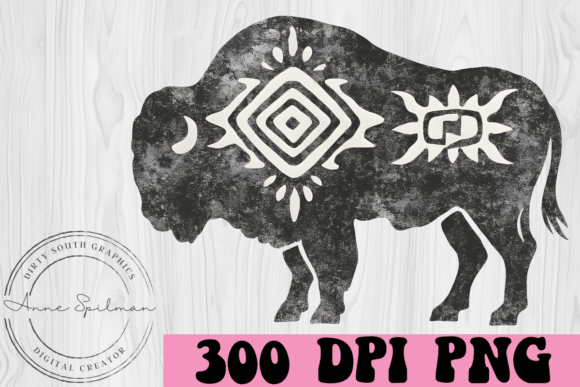
The Western Buffalo Watercolor PNG graphic feels like a gentle brush stroke on canvas. Its 300 dpi resolution ensures sharpness and clarity, and the transparent background adds a layer of professionalism. At over 8 inches wide (more than 2500 pixels on one side), this is a substantial design—perfect for larger projects where you want to make an impression without overwhelming the fabric or the viewer.
What I appreciate most is how it balances detail with simplicity. The watercolor effect gives it a painterly, almost nostalgic vibe, which would work beautifully on custom apparel or boutique-style items. It doesn’t scream for attention but rather invites it, making it ideal for thoughtful, handcrafted products like personalized gifts or holiday-themed embroidery.
Real-Life Application: Custom Tote Bag Project
Let me walk through a real use case. Imagine creating a custom embroidered tote bag for a local market or an Etsy listing. You need something that stands out but still feels warm and approachable. Western Buffalo Watercolor could be the perfect fit here.
When applied as an applique design using satin stitch along the outlines and fill stitch inside, the buffalo maintains its visual softness while gaining structure from the stitches. This blend of artistry and technique results in a finished product that looks both professional and unique. Customers are likely to respond positively to the subtle elegance and natural colors, especially if they’re drawn to nature-inspired or bohemian aesthetics.
I’d suggest testing it on a scrap piece of cotton canvas first, since tote bags often require durable stitching. The size and shape of the design also mean you’ll need a hoop large enough to accommodate the full image without stretching or cropping important details. Keep in mind that while the file isn’t an SVG or cut file, the high-resolution PNG allows for precise tracing when converting to an embroidery file format.
Where This Design Thrives
- Sweatshirt embroidery: The buffalo’s gentle form complements cozy, oversized sweatshirts, especially when placed near the hem or back neck area.
- Tote bag design: As mentioned, it works well as a central motif or a quiet accent in the corner.
- Boutique branding: If you're building a line of western-themed handmade products, this design can serve as a signature element across your collection.
- Holiday gifts: Wrapped in an embroidered pillow cover or printed onto a tea towel, it brings a touch of warmth and authenticity.
- Digital product previews: For digital embroidery sellers, the clean layout and transparent background make it easy to create printable mockups that show off the design in various placements and colorways.
This is one of those designs that feels right at home in the Illustrations category, yet it offers enough versatility to cross into other Graphics applications. Whether you're planning a commercial embroidery project or a small-batch handmade item, it’s worth considering how this buffalo might enhance your creative vision.
Use with Caution: Fabric and Hoop Considerations
While Western Buffalo Watercolor is visually appealing, it does have some limitations that every embroiderer should consider. Here are a few areas where extra care is needed:
- Small hoop sizes: The design’s width exceeds many standard hoops. You may need to scale it down, but doing so risks losing the fine watercolor textures.
- Textured or stretchy fabrics: These can distort the delicate lines of the buffalo, especially in dense stitch areas. Cotton or linen blends are more forgiving and will hold up better.
- Dark fabric backgrounds: The muted tones of the watercolor may get lost. Test it on light-colored bases first, or consider using thread colors that contrast more boldly.
- Curved surfaces: Embroidering on caps or curved patches can cause warping. Make sure your stabilizer is strong enough to support the design during stitching.
- Products needing frequent washing: Dense stitch areas may lead to pilling or fading over time. Opt for high-quality threads and pre-wash your fabric if possible.
These aren’t deal-breakers—they’re simply reminders to treat this design with the respect it deserves. A little preparation goes a long way in ensuring your handmade product looks as good after several washes as it did the day it left the machine.
Design Impact on Visual Appeal and Branding
One of the key strengths of Western Buffalo Watercolor is its ability to elevate the visual appeal of any embroidered patch or sweatshirt embroidery. The soft palette and realistic shading give it a premium feel, even in simpler forms like running stitch outlines. When used correctly, it can significantly increase the perceived value of your finished product.
For Etsy sellers and small shop product creators, this kind of design helps build customer trust. People buy into the story behind the product, and a buffalo rendered in watercolor suggests a connection to the wild, the west, or a love for nature. That emotional resonance can boost buyer engagement and giftability, especially around holidays or special events.
If you're aiming for brand consistency, test the design across different placements and colors. Does it maintain its charm on a white t-shirt? How about on a navy-blue baby blanket? The answer will guide your marketing strategy and help you determine where it fits best within your craft business offerings.
Designer Notes for Successful Execution
- Test on scrap fabric: Always do a trial run before moving to final pieces. This lets you assess how the design interacts with your specific materials and machines.
- Check thread color contrast: The design uses multiple hues, but depending on your fabric and lighting conditions, some colors may not pop as expected. Try a black-and-white mockup to see how it holds up without color.
- Review stitch density: Especially in the shaded areas of the buffalo, too much density can dull the watercolor effect. Adjust accordingly to preserve the soft, layered look.
- Confirm hoop size: Since it's over 8 inches wide, ensure your hoop can handle that dimension without distortion.
- Inspect small details: The buffalo’s facial features and fur texture are delicately rendered. Look closely to see if they’ll translate well to embroidery and adjust the stitch types if needed.
- Use proper stabilizer: To avoid puckering or shifting, choose a stabilizer suited for the fabric type and stitch complexity.
- Check licensing terms: Before selling any digital embroidery file or commercial embroidery product featuring this design, confirm whether it’s suitable for resale or commercial use.
Final Thoughts on Western Buffalo Watercolor
Western Buffalo Watercolor is a design that feels intentional. It speaks to a quieter style of creativity—one that values mood and meaning over flashiness. As a designer, I can tell it’s been crafted with attention to balance and harmony, which makes it easier to adapt into various embroidery projects without feeling forced.
Its potential shines brightest on larger, softer items like tote bags, aprons, and pillow covers, where the design can breathe and the watercolor nuances remain visible. For personalized gifts or nursery decor, it adds a calm, grounded presence that resonates well with customers looking for something meaningful and unique.
Ultimately, this is a design that rewards careful handling. With the right setup and a bit of thought, it can become a standout element in your portfolio—whether you're a seasoned apparel decorator or a hobbyist just starting out. Just remember to let it speak for itself, and you'll find that Western Buffalo Watercolor has a place in more projects than you might initially expect.