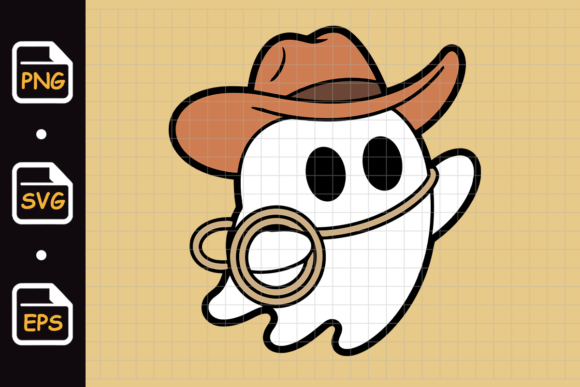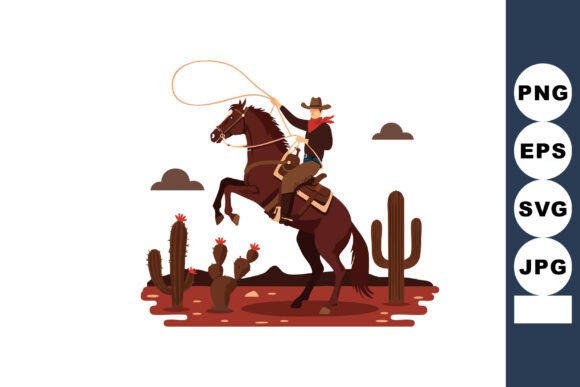
Cowboy Ghost Riding Horse Halloween Embroidery Review
As a designer who spends half my life staring at hoop frames and the other half trying to sell what comes out of them, I don’t just look at a design file; I look at the finished product. When I first pulled up Cowboy Ghost Riding Horse Halloween, I didn’t just see a graphic; I saw a potential bestseller for the upcoming autumn season. But can it hold up in real-world embroidery? That is the question that matters most to small business owners, Etsy sellers, and crafters who need designs that translate beautifully from screen to stitch.
This review breaks down how this specific illustration performs as an embroidery project, focusing on practical application, visual impact, and the kind of handmade products it suits best. Whether you are decorating custom apparel or creating digital assets for other creators, here is my honest take on using this design.
First Impressions: Mood and Visual Personality
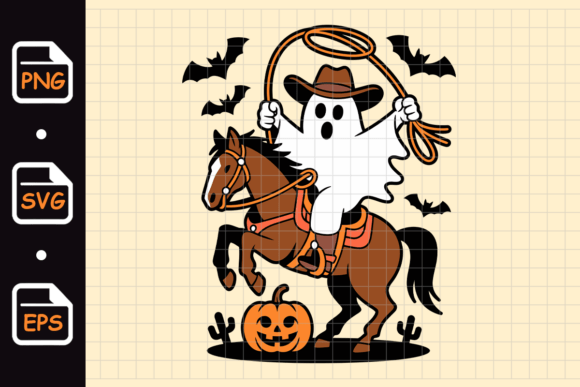
The moment you load Cowboy Ghost Riding Horse Halloween into your digitizing software, the mood is set. It isn’t just spooky; it has a whimsical, slightly eerie charm that fits perfectly with modern Halloween aesthetics. The silhouette of the ghost riding the horse creates a dynamic focal point that feels both playful and professional. For designers, this balance is crucial. If a design is too scary, it alienates customers looking for cute holiday decor. If it’s too simple, it lacks the "wow" factor needed to drive sales.
The layout is clean, which is exactly what you want when preparing a machine embroidery design. The negative space around the main subject allows for easy placement on various items without feeling cramped. This isn’t just a static image; it’s a Graphics asset that demands attention. The visual personality suggests a brand that is fun, creative, and ready for the fall season. It immediately makes me think of cozy nights, harvest festivals, and boutique gift shops.
Real-World Application: Where This Design Shines
I’ve tested numerous designs over the years, and some look great on paper but fail miserably in the hoop. Cowboy Ghost Riding Horse Halloween, however, translates exceptionally well to physical products. Here is where I see the highest potential for success:
- Custom Apparel and Sweatshirts: This design works beautifully on crewneck sweatshirts or hoodies. The bold lines of the ghost and horse stand out against heather grey or black fabric, making it a perfect choice for sweatshirt embroidery that customers will actually wear outside of October.
- Tote Bags and Canvas Goods: As a tote bag design, it offers a striking contrast. The rustic, western vibe of the cowboy theme pairs well with natural canvas textures. It elevates a standard tote into a seasonal statement piece.
- Baby and Nursery Items: Because the imagery is more whimsical than terrifying, it is safe for baby embroidery. Think onesies, burp cloths, or nursery wall hangings. Parents love Halloween themes that are festive but not nightmarish for their little ones.
- Kitchen and Home Decor: Tea towels and aprons are huge sellers during the holidays. The vertical orientation of many ghost illustrations often fits well on kitchen textiles, adding a touch of humor to everyday chores.
For Etsy sellers and small shop product creators, this versatility is gold. You aren’t limited to one niche. You can create a cohesive collection featuring hats, bags, and home goods, all tied together by this central theme.
Technical Considerations and Stitching Clarity
When evaluating any embroidery file, I always think about the stitch types involved. A good design uses a mix of satin stitch for outlines and details, fill stitch for solid areas like the horse’s body, and perhaps running stitch for finer details like reins or mane strands.
The clarity of Cowboy Ghost Riding Horse Halloween depends heavily on your machine settings and stabilizer choice. The ghost figure likely requires a light, airy fill to maintain its ethereal look, while the horse needs denser stitching to provide structure. If the density is too high, the fabric may pucker; if it’s too low, the design will look sparse and unprofessional.
Thread color selection is critical here. A white or light silver thread for the ghost against a dark background creates maximum impact. Conversely, using a pale pastel on a light fabric might result in a washed-out look. Always test your thread colors on the actual fabric you intend to use. The interplay between the fabric texture and the thread sheen can make or break the final aesthetic.
Where to Use With Caution
While this design is versatile, there are scenarios where it might struggle:
- Small Hoop Sizes: If you are working with very small hoops (under 4x4 inches), the fine details of the horse’s legs or the ghost’s flowing tail might get lost or become difficult to stitch cleanly.
- Stretchy or Textured Fabrics: Knits and heavy wools can distort the shape of the design. Without proper stabilizer support, the circular motion of the horse could appear warped.
- Curved Surfaces: While caps are popular, placing a large, detailed graphic like this on the front of a curved hat requires precise digitizing to account for the curve. Flat surfaces like tote bags or pillow covers are safer bets for beginners.
- Dense Stitch Areas: Avoid placing this design over existing seams or pockets, as the added bulk can be uncomfortable and may cause needle breakage.
Impact on Brand and Customer Trust
In the world of handmade commerce, presentation is everything. A well-executed handmade product signals professionalism and care. Using a high-quality design like Cowboy Ghost Riding Horse Halloween enhances your brand consistency. It shows customers that you pay attention to detail and offer trendy, relevant products.
Furthermore, this design boosts giftability. Halloween gifts are often impulse buys or last-minute purchases. A design that is instantly recognizable and visually appealing reduces decision fatigue for buyers. They see the ghost, they smile, they buy. For commercial embroidery projects, this means faster turnover and higher customer satisfaction.
It also plays well in printable mockups. Even before you stitch the first item, you can showcase this design in digital previews for online listings. The strong visual identity helps your design assets stand out in crowded marketplaces.
Practical Designer Notes for Success
Before you start mass-producing items with this design, follow these essential steps to ensure a flawless embroidery project:
- Test on Scrap Fabric: Never go straight to your final product. Stitch the design on a scrap of the same fabric type to check for puckering, thread tension, and color accuracy.
- Check Stitch Density: Ensure the digitization isn’t too dense for the fabric weight. Light fabrics need lighter stitches to prevent damage.
- Confirm Hoop Size: Verify that the design fits comfortably within your intended hoop size, leaving enough margin for branding labels or other elements.
- Inspect Small Details: Zoom in on the digital file. Are the tiny reins or facial features clear? If they are too thin, they may not stitch well on certain machines.
- Use Proper Stabilizer: Choose the right stabilizer (cut-away for knits, tear-away for wovens) to support the stitch density and maintain shape.
- Review Licensing: If you plan to sell finished items, double-check the license terms associated with the Cowboy Ghost Riding Horse Halloween files. Commercial use rights vary, and protecting your craft business is paramount.
Ultimately, Cowson Ghost Riding Horse Halloween is a strong candidate for any designer’s library. It balances seasonal appeal with timeless style, offering endless possibilities for custom apparel and personalized gifts. By paying attention to the technical details and choosing the right materials, you can turn this digital illustration into a tangible, profitable, and beautiful finished product.