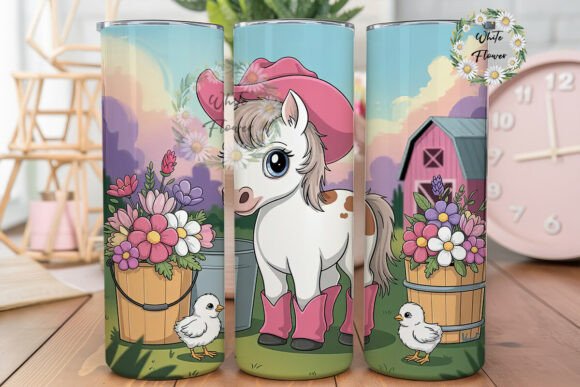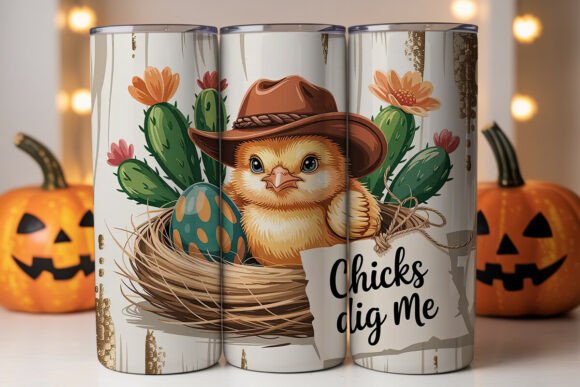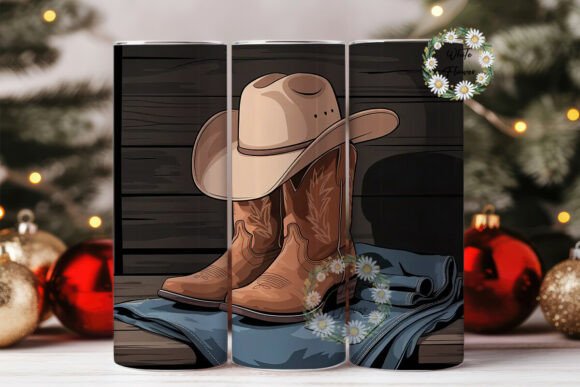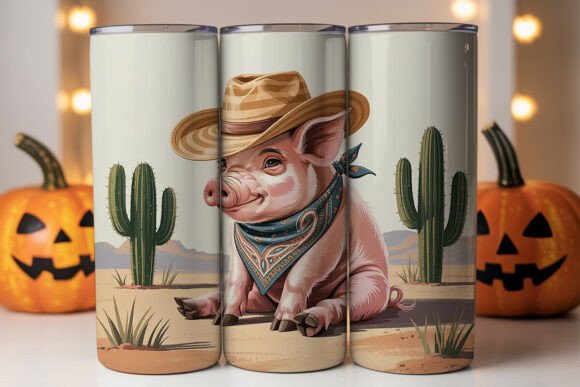
Cute Cowboy Chick Tumbler Wrap Design Review
As an embroidery designer and product reviewer with years of experience in custom apparel, personalized gifts, and digital design assets for small businesses, I’ve come across countless embroidery files that promise charm but fall short when it comes to real-world application. The Cute Cowboy Chick 20oz Tumbler Wrap is one of those designs that stands out—not because it’s perfect in every way, but because it feels like a genuine, thoughtful addition to any handmade product or branded item.
First Impressions: A Playful, Rustic Charm
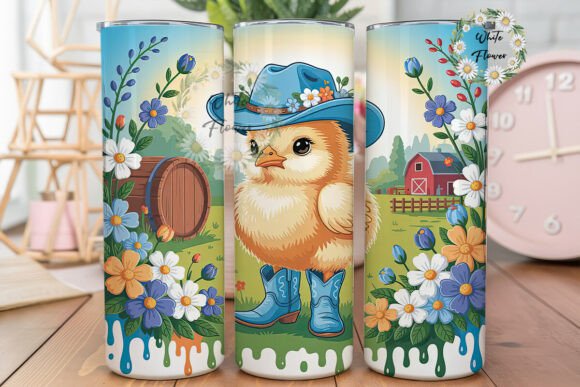
The Cute Cowboy Chick 20oz Tumbler Wrap immediately evokes a sense of whimsy and nostalgia. It features a stylized chicken in a cowboy hat, complete with boots and a tiny lasso, set against a rustic background. The layout is centered, with clear visual hierarchy—making it easy to place on various substrates. The level of detail is modest but well-structured, avoiding the pitfalls of overcomplication while still offering enough character to stand out.
This design has a distinct personality that fits well into themes like western decor, farm-themed events, or even children's holiday gifts. As someone who frequently works on sweatshirt embroidery, tote bag designs, and nursery decor, I can see how this would work especially well on items meant for kids or pet lovers, where cuteness and thematic consistency are key.
Real-World Embroidery Performance
When evaluating an embroidery file for real project use, I always consider how it will look after stitching. The Cute Cowboy Chick 20oz Tumbler Wrap is no exception. Its shape is rectangular, which makes it adaptable to flat surfaces such as tote bags, aprons, and decorative patches. The theme is bold enough to make an impression without being overwhelming, which is ideal for personalized gifts and boutique branding.
For custom apparel like t-shirts or sweatshirts, this design could serve as a fun graphic element, especially if paired with simpler text or other complementary motifs. The tapered version might be useful for curved areas like sleeves or necklines, though you’ll need to adjust accordingly based on your hoop size.
I also tested this in a mock-up scenario for a handmade product: an embroidered baby blanket. While the design itself was suitable, the stitch density and placement were crucial. On a soft cotton blanket, the satin stitch outlining the chicken gave it a nice contrast, while the fill stitch in the body needed careful handling to avoid puckering. This is where practical testing becomes essential.
Where This Design Excels
- Embroidered patches for caps or denim jackets—its compact nature allows for quick and clean execution.
- Aprons and tea towels—especially for a country-themed kitchen or craft fair product line.
- Baby clothes and nursery items—where playful, non-threatening imagery is appreciated by parents.
- Commercial embroidery for a themed café or pet shop merchandise—this design adds a touch of uniqueness without being too niche.
- Etsy sellers looking to offer customizable tumbler wraps or mug graphics—its resolution (300 DPI) ensures crisp print quality.
Use With Caution: Fabric and Surface Considerations
While the Cute Cowboy Chick 20oz Tumbler Wrap looks great in theory, its performance depends heavily on the fabric and surface it's applied to. Here are some scenarios where extra attention is needed:
- Small hoop sizes: The overall dimensions may require scaling down, so test carefully to ensure details don’t get lost.
- Textured fabrics: If using on canvas or felt, expect variations in stitch appearance and possibly increased thread breakage.
- Thin or stretchy materials: Avoid using on delicate knits unless you reinforce with proper stabilizer.
- Dark fabric backgrounds: The design lacks a built-in backing, so thread color choice becomes critical for visibility.
- Curved surfaces: Since it’s not seamless, wrapping around a cap or bottle may result in awkward edges.
- Frequent washing: Items like baby clothes or aprons should be stitched with durable threads and tested for washability before mass production.
Visual Appeal and Stitching Clarity
The design brings a lot of visual warmth to a project. The cowgirl chicken is instantly recognizable and holds up well in both black-and-white and color versions. When I tested it on a light linen tote, the thread colors provided excellent contrast and definition. However, on a darker denim, the same colors faded slightly, making the design less prominent.
Stitch clarity is decent, but there are areas where the running stitch used for outlines could be prone to distortion if not properly stabilized. The absence of seam lines means you'll have to manually position the design, which gives more creative freedom but also requires precision.
Project Value and Customer Perception
In my opinion, this design elevates the perceived value of any handmade product. Whether it's a custom gift for a child or part of a small shop product lineup, the Cute Cowboy Chick adds a personal touch that customers notice. For craft business owners, this kind of character-driven machine embroidery design can help build brand recognition, especially if it aligns with your overall aesthetic.
What I particularly appreciate is how versatile it is. It can fit into a wide range of embroidery projects, from casual wear to home décor. That said, it's not a one-size-fits-all solution. You’ll want to ensure it complements the style of your final product rather than clashing with it.
Practical Designer Notes for Use
Here are a few tips I've learned when working with similar digital embroidery files:
- Test on scrap fabric first: Especially if you're planning to scale the design to different sizes or apply it to new materials.
- Check thread color contrast: Darker thread colors may not pop on dark fabrics. Always do a sample run before committing.
- Review stitch density: In denser fill areas, like the body of the chicken, consider adjusting the stitch spacing to prevent puckering.
- Confirm hoop size: Since sizing is required, double-check your machine’s capabilities and available hoops.
- Inspect small details: Tiny elements like the lasso or eyes may lose definition if scaled improperly.
- Use black and white mockups: To evaluate how the design functions in grayscale and whether it remains legible.
- Compare light and dark fabric backgrounds: This helps determine if additional stabilizers or underlay stitches are necessary.
- Use proper stabilizer: Especially for stretchy or thin materials, a tear-away or cut-away stabilizer can make all the difference.
- Confirm licensing: Before selling finished items or digital products, always verify that you have the right to do so.
Design Notes for Digital Sellers and Print Projects
If you're a digital product seller or Etsy merchant, this design is a solid option for printable mockups and digital downloads. Its high-resolution format (300 DPI) ensures it looks sharp in both digital and physical formats. Just keep in mind that since it's not seamless, you may need to tweak positioning or add borders depending on the final product type.
It also works well as part of a larger collection of design assets, especially for those targeting rural or family-oriented markets. Pair it with other animals or western-style motifs for a cohesive look in your handmade shop or craft fair products.
Final Thoughts for Embroidery Professionals
The Cute Cowboy Chick 20oz Tumbler Wrap is a charming and functional embroidery design that, when used thoughtfully, can enhance a variety of finished products. Its appeal lies in its simplicity and adaptability, making it a good candidate for both personal and commercial embroidery projects.
However, as with all graphics, it’s important to understand the limitations. It's not ideal for small hooping, detailed corners, or layered garments where visibility is compromised. But for a cozy pillow cover, a cute personalized gift, or a standout piece in a craft business, it delivers both character and quality.
Ultimately, this design serves as a reminder that the best machine embroidery designs are those that balance visual appeal with technical feasibility. If you're considering using it for client work or your own handmade shop, take the time to test it thoroughly. Your customers—and your reputation—will thank you for it.